TNTP’s Strategy to Transform America’s Public School System
Why This Plan Now?
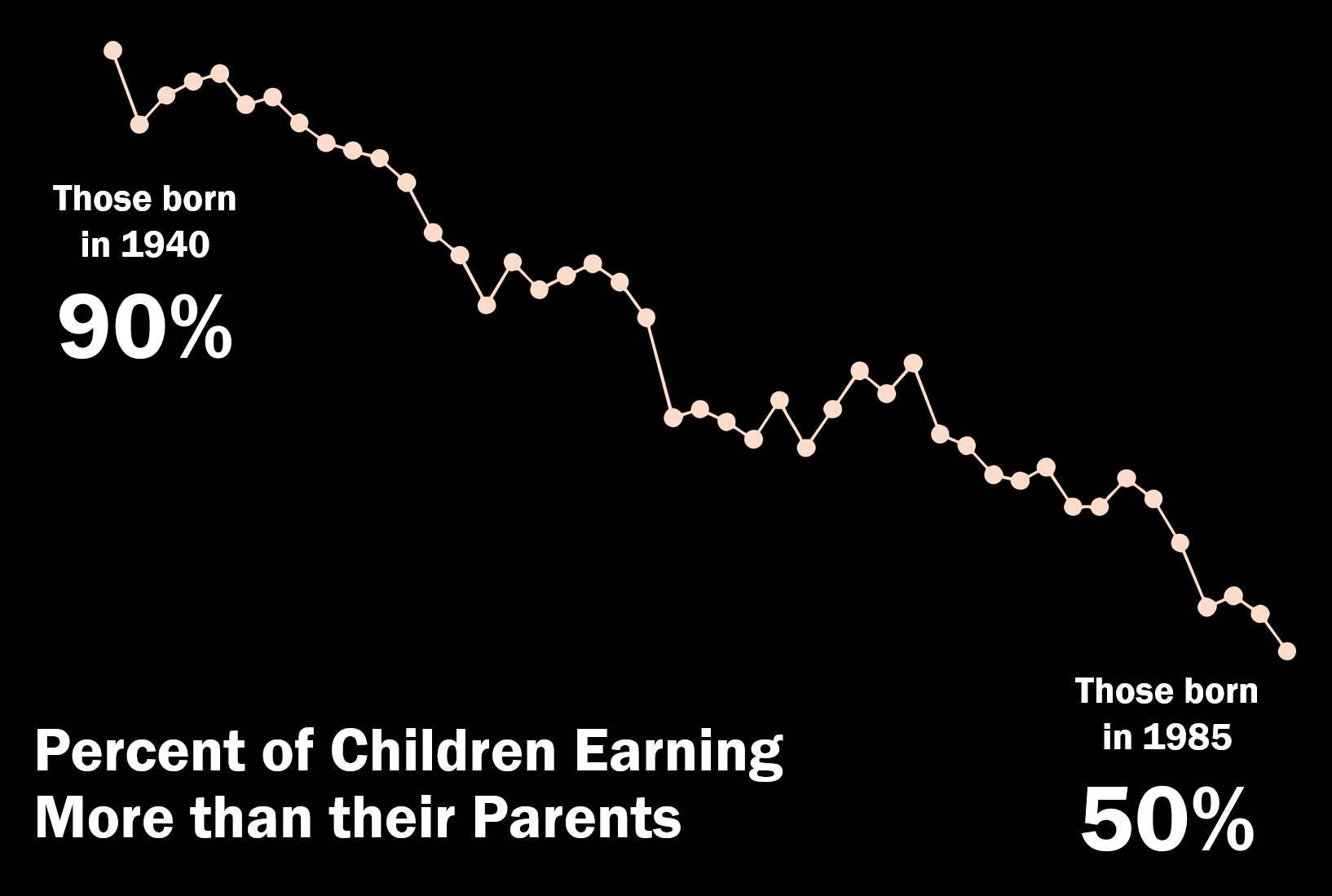
For generations, the promise was simple: work hard, get an education, build a better life. Today, that promise is broken. Mobility has dropped by nearly 50% in just two generations. The consequences land hardest on students our systems have long underserved—but no one’s children are exempt.

percent of 8th graders scored at or above Proficient in Reading.
percent of 8th graders scored at or above Proficient in Math.
percent of young people report feeling prepared for their chosen path.
percent of students who believe they'll graduate ready for the job market.
Young people are earning degrees and diplomas at record rates. But too many graduate unable to secure meaningful work or build the lives they want. Not just because they lack academic preparation—but because they're missing other essential ingredients: future-ready skills, connections that open doors, and guidance to navigate critical decisions.
Access to rigorous academics remains essential. College matters enormously. But today’s world also demands capability: applying learning in new situations, exercising judgement in the face of ambiguity, and adapting as circumstances change.
Take a deeper look at how we understand the demands of this moment.
That's nearly every young person entering the workforce over the next decade. This isn’t just an organizational goal—it’s a generational imperative. If we succeed, we reshape what’s possible for all young people for decades to come.
systems
schools
states
years
How We'll Get There
Lasting change requires supporting students directly, strengthening the systems around them, and aligning national priorities. We work across all three levels at once—thriving learners, thriving ecosystems, and a thriving nation—because they are interdependent.
The Challenge: Misalignment and Competing Priorities
Students are getting mixed messages. They learn foundational skills in core classes and different topics in intervention. Classroom learning feels disconnected from their long-term goals. The result? Fragmented learning that leaves students falling behind academically and emerging from K-12 without clear pathways into their chosen careers.
What's Possible
What if every classroom, every intervention, every support worked together? When instruction aligns, students understand what's expected. Learning feels relevant and connected to their futures. Students explore careers and build real-world skills as part of their normal school day—not as separate add-ons. Teachers aren’t constantly troubleshooting disconnects. Achievement gaps narrow because students experience rigorous, coherent learning that builds academic mastery, mobility, and capability simultaneously.
How TNTP Helps
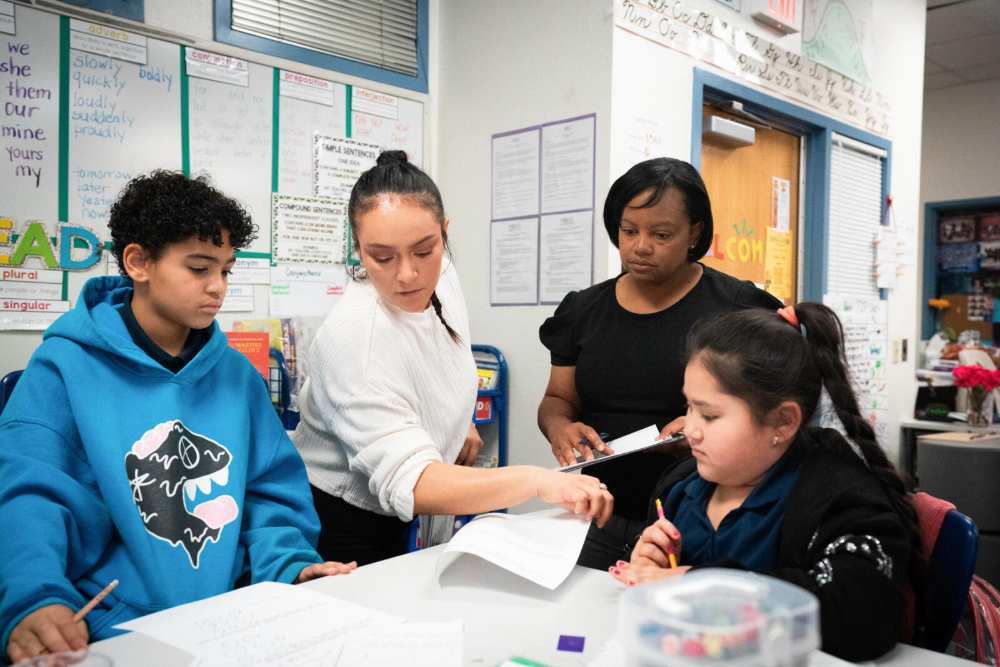
We've spent nearly three decades building systems where policy, classroom practice, and support align—working at every level to ensure instruction, interventions, and supports all pull in the same direction.

TNTP partnered with Knox County to pilot a new reading intervention model that grouped students by specific skill needs and anchored instruction in Tier I‑aligned materials. The approach created greater consistency for students and teachers. Students gained two extra months of learning in one year, with strong support from educators and leaders. By aligning district policy and classroom practice, Knox County offers a scalable roadmap for improving reading outcomes.
The Challenge: Disconnected Systems Leave Students Unprepared
Most students graduate without a clear sense of what's next. Some go to college unprepared. Others enter the workforce without skills employers need. The gap between what’s taught and what the world demands leaves too many young people underemployed or out of work entirely.
This isn't because schools aren't trying. The infrastructure to better connect education and career doesn't yet exist. K-12, higher education, and employers rarely collaborate, let alone build integrated pathways.
What's Possible
What if students could better connect learning to real career opportunities? What if they graduated with credentials, skills, and actual work experience—not just a diploma? When education and career pathways align, students are far better prepared for high-wage, high-skill careers.
How TNTP Helps
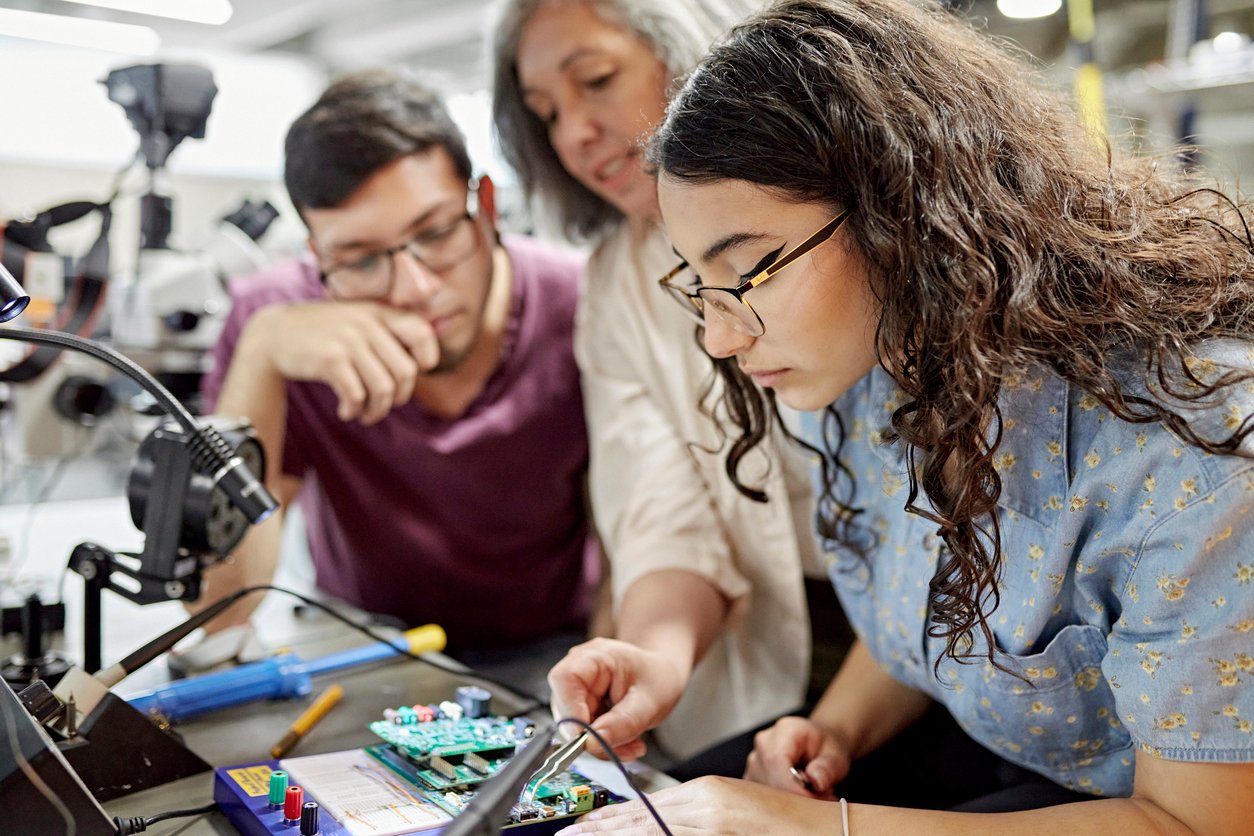
We help bring together the three sectors that must collaborate for pathways to work: K-12 schools, colleges, and employers. We help design career-connected learning that blends rigorous academics with real internships, industry-recognized credentials, and employer partnerships. And we help states and districts build the policies and data infrastructure needed for sustainable change.


The Challenge: Disconnected Systems Leave Students Unprepared
Most students graduate without a clear sense of what's next. Some go to college unprepared. Others enter the workforce without skills employers need. The gap between what’s taught and what the world demands leaves too many young people underemployed or out of work entirely.
This isn't because schools aren't trying. The infrastructure to better connect education and career doesn't yet exist. K-12, higher education, and employers rarely collaborate, let alone build integrated pathways.
What's Possible
What if students could better connect learning to real career opportunities? What if they graduated with credentials, skills, and actual work experience—not just a diploma? When education and career pathways align, students are far better prepared for high-wage, high-skill careers.
How TNTP Helps
We help bring together the three sectors that must collaborate for pathways to work: K-12 schools, colleges, and employers. We help design career-connected learning that blends rigorous academics with real internships, industry-recognized credentials, and employer partnerships. And we help states and districts build the policies and data infrastructure needed for sustainable change.
The Challenge: Fragmentation and Widening Gaps
Technology in schools often creates more confusion: disconnected apps, data scattered across platforms, tools that slow teachers down. Some students get personalized support; others lack access. The result is greater incoherence and widening achievement gaps.
What's Possible
AI can change this—but only if it's used purposefully. The right AI tools give teachers better insights into student learning and help personalize support at scale. AI accelerates learning by adapting to each student's pace and needs, providing real-time feedback, and helping teachers close gaps before they widen. Coaching becomes more targeted. Systems connect instruction, data, and student experience. And students develop fluency with technologies transforming today’s workforce.
How TNTP Helps
We apply AI to strengthen what research shows works: coherent instruction, personalized support, high-quality coaching, and career-connected learning. We use AI to accelerate learning and close gaps, adapting to individual needs while maintaining coherence. We ensure that AI complements the critical role educators play. And we use AI responsibly—solving real problems, not chasing trends.

You can’t transform what you can’t measure. We’re designing data systems that strengthen TNTP’s accountability to our mission and help the entire sector understand what drives mobility.
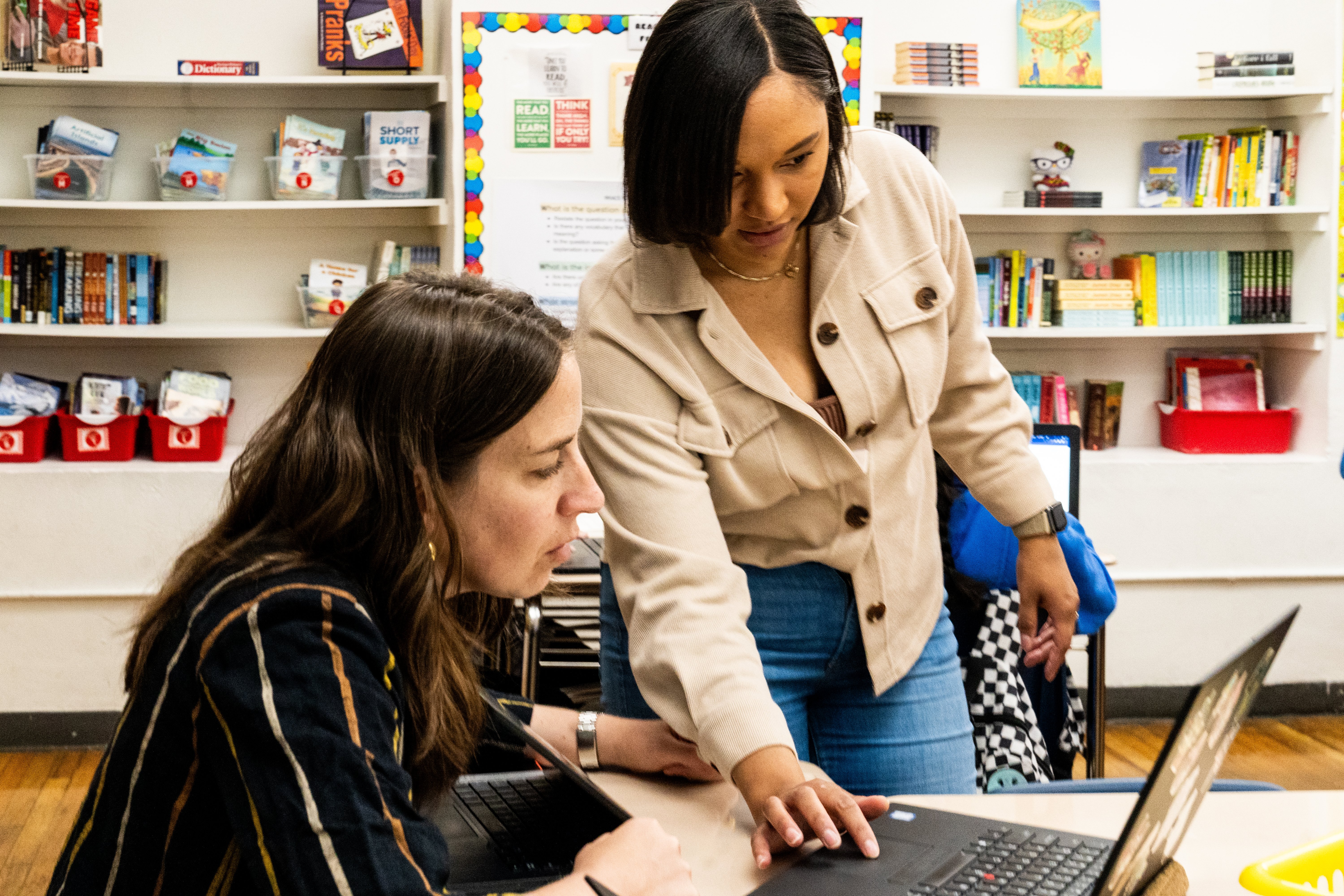
This first-of-its-kind survey measures student experiences and capabilities over time, providing a clear picture of how young people grow and thrive.
Our lab analyzes longitudinal data and generates actionable insights, advancing research that helps the field understand what works.
We track leading indicators—e.g., whether students access rigorous instruction, participate in career pathways, build networks, receive personalized guidance—and then help systems make real-time adjustments. We also track long-term outcomes to confirm impact and ensure interventions scale equitably.
We connect data across education, workforce, and community sectors to reveal how various factors work together to create opportunity—guiding smarter, more strategic investments.
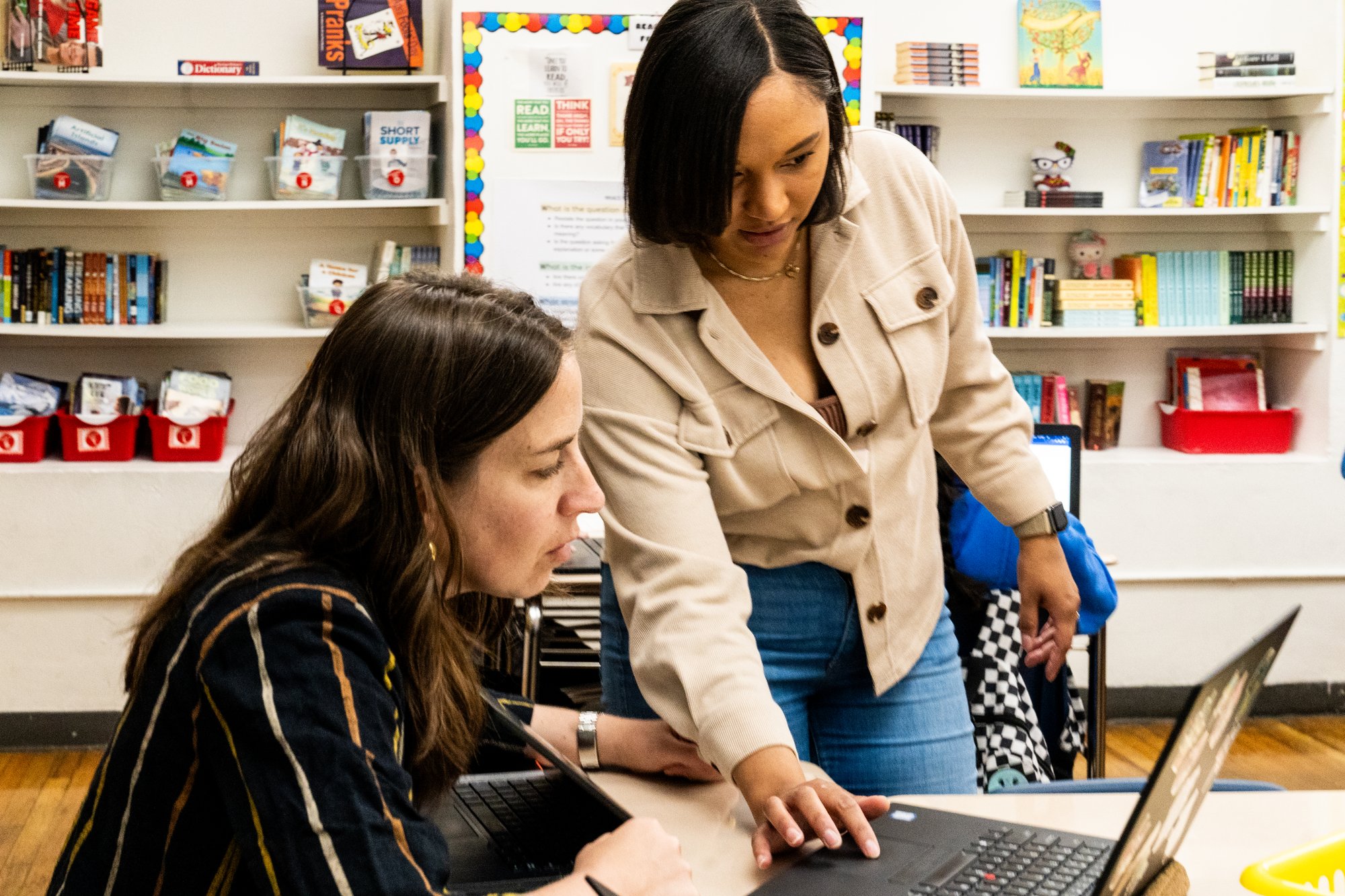
We’re designing longitudinal data systems for the field that will strengthen not only TNTP’s accountability to our mission but also the entire sector’s ability to understand the multi-dimensional drivers of mobility and pursue evidence-based investments.
TNTP’s new measurement tools include:
A new Mobility Research Lab, which will codify longitudinal data and scale actionable insights, serving as a hub for innovation and learning.
A first-of-its-kind Student Mobility Experiences Survey to measure student experiences and capabilities over time.
Synthesized data across sectors connecting education, workforce, and community factors to understand the multi-dimensional drivers of mobility and guide evidence-based investments.
Fifty million young people are counting on us.
We're committed to helping them build brighter futures.
Deep Research & Expertise
We combine rigorous research, policy expertise, and hands-on consulting to ensure young people have multiple pathways to economic and social mobility.
Proven Track Record
Our track record shows we know how to transform systems—and we're ready to do it again, at scale.
Built for Collaborative Impact
Our credibility is built on decades of trusted relationships and helping our partners deliver results for young people.
Deep Research & Expertise
We combine rigorous research, policy expertise, and hands-on consulting to ensure young people have multiple pathways to economic and social mobility.
Proven Track Record
Our track record shows we know how to transform systems—and we're ready to do it again, at scale.
Built for Collaborative Impact
Our credibility is built on decades of trusted relationships and helping our partners deliver results for young people.
Transformation doesn't happen alone. We need educators, leaders, and advocates who understand the urgency and are ready to act. The full plan shows exactly how to get there—and how you can be part of it.